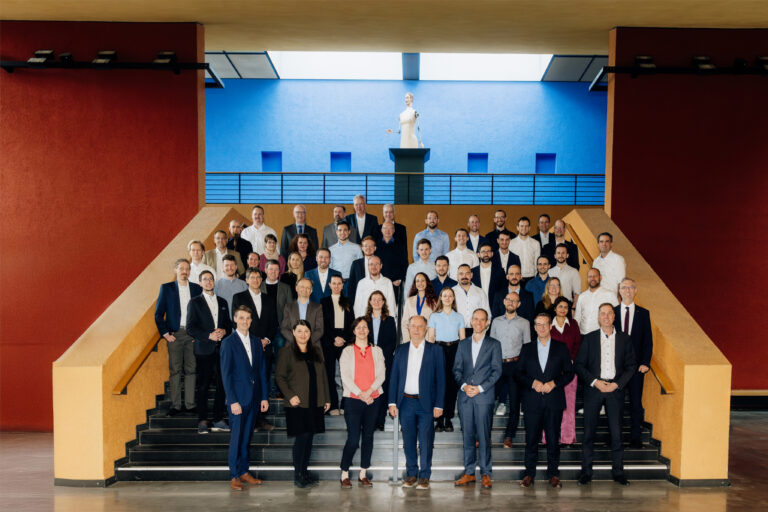
The next assembly of the general body of TRR 402 takes place in Dresden on March 19th at Fraunhofer IWU.
ReadThe Collaborative Research Center DediGrad (SFB/TRR 402) explores how graded, adaptive materials can transform the way lightweight systems behave — smarter, faster, and more sustainable.
We develop methods to design and simulate materials that learn from stress, respond to change, and use resources intelligently
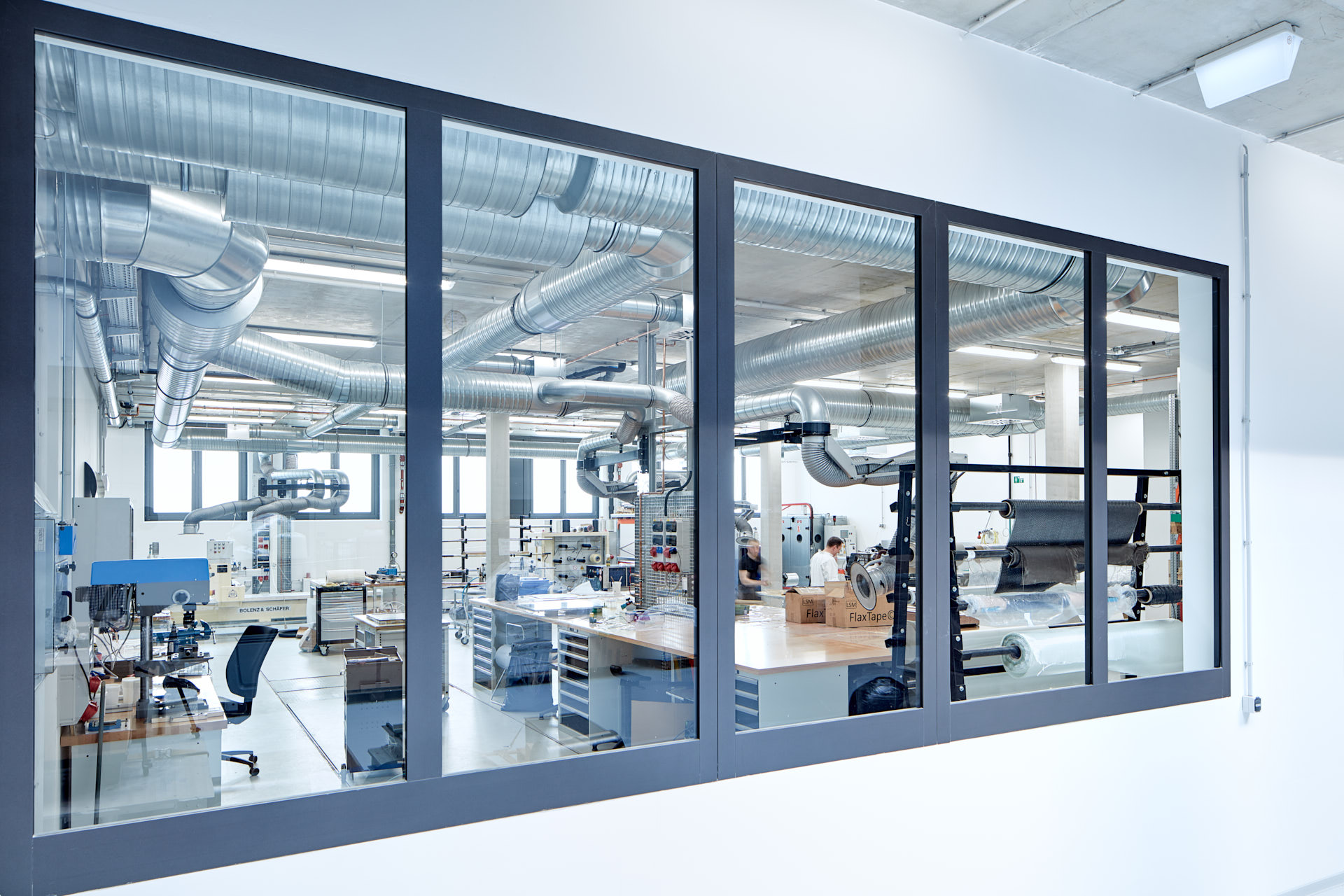
Our interdisciplinary teams across Chemnitz, Dresden, and Aachen merge materials science, mechanics, and digital modeling into one adaptive ecosystem
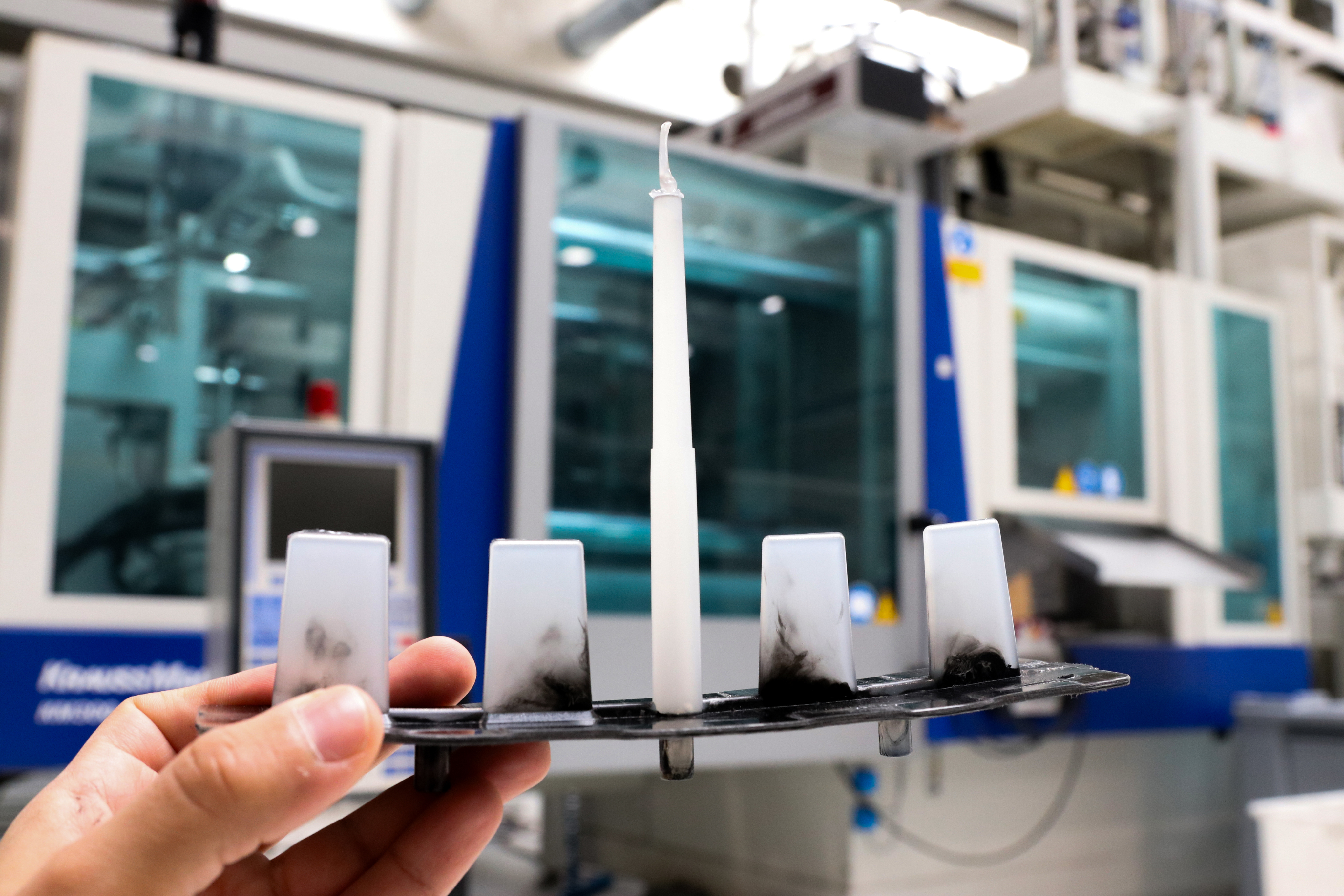
Each DediGrad subproject focuses on a different scale — from microstructure to full component behavior. Together, they form a chain of knowledge for lighter, more resilient engineering.
No entries available yet.
We work with industrial partners, guest scientists, and emerging researchers who share a vision of smarter, sustainable engineering.
PARTNER WITH USLorem ipsum dolor sit amet consectetur. Ipsum vivamus augue in quisque. Et et purus sem phasellus mattis lorem libero leo. Ut lectus duis purus velit eget justo aliquam placerat neque. Velit.

Latest research results, workshops, presentations, and events – stay informed about our recent activities.
Lorem ipsum dolor sit amet consectetur. A eu ac duis risus. Eleifend sem turpis nibh aliquam nec amet. Mauris sed nisi ligula non sed massa convallis. Quam amet netus fermentum in. Sit quis donec maecenas condimentum egestas. Vitae sed malesuada ultrices tortor praesent.
Lorem ipsum dolor sit amet consectetur. A eu ac duis risus. Eleifend sem turpis nibh aliquam nec amet. Mauris sed nisi ligula non sed massa convallis. Quam amet netus fermentum in. Sit quis donec maecenas condimentum egestas. Vitae sed malesuada ultrices tortor praesent.
The next assembly of the general body of TRR 402 takes place in Dresden on March 19th at Fraunhofer IWU.
This is a great event. Learn more about it.
Lorem ipsum dolor sit amet consectetur. A eu ac duis risus. Eleifend sem turpis nibh aliquam nec amet. Mauris sed nisi ligula non sed massa convallis. Quam amet netus fermentum in. Sit quis donec maecenas condimentum egestas. Vitae sed malesuada ultrices tortor praesent.
Lorem ipsum dolor sit amet consectetur. A eu ac duis risus. Eleifend sem turpis nibh aliquam nec amet. Mauris sed nisi ligula non sed massa convallis. Quam amet netus fermentum in. Sit quis donec maecenas condimentum egestas. Vitae sed malesuada ultrices tortor praesent.
Learn more through scientific publications, posters, presentations, and open-access papers and gain insights into current research results and developments within the collaborative research center.
Do you have questions about the TRR 402 or are you interested in collaboration? Feel free to contact us – we are happy to hear from you and will gladly respond to your inquiry.